
Read the latest travel blogs
My stories as a world traveler.
Turkey Through a Slower Lens: Culture, Coastlines & Cappadocia
Turkey is a country of contrasts.
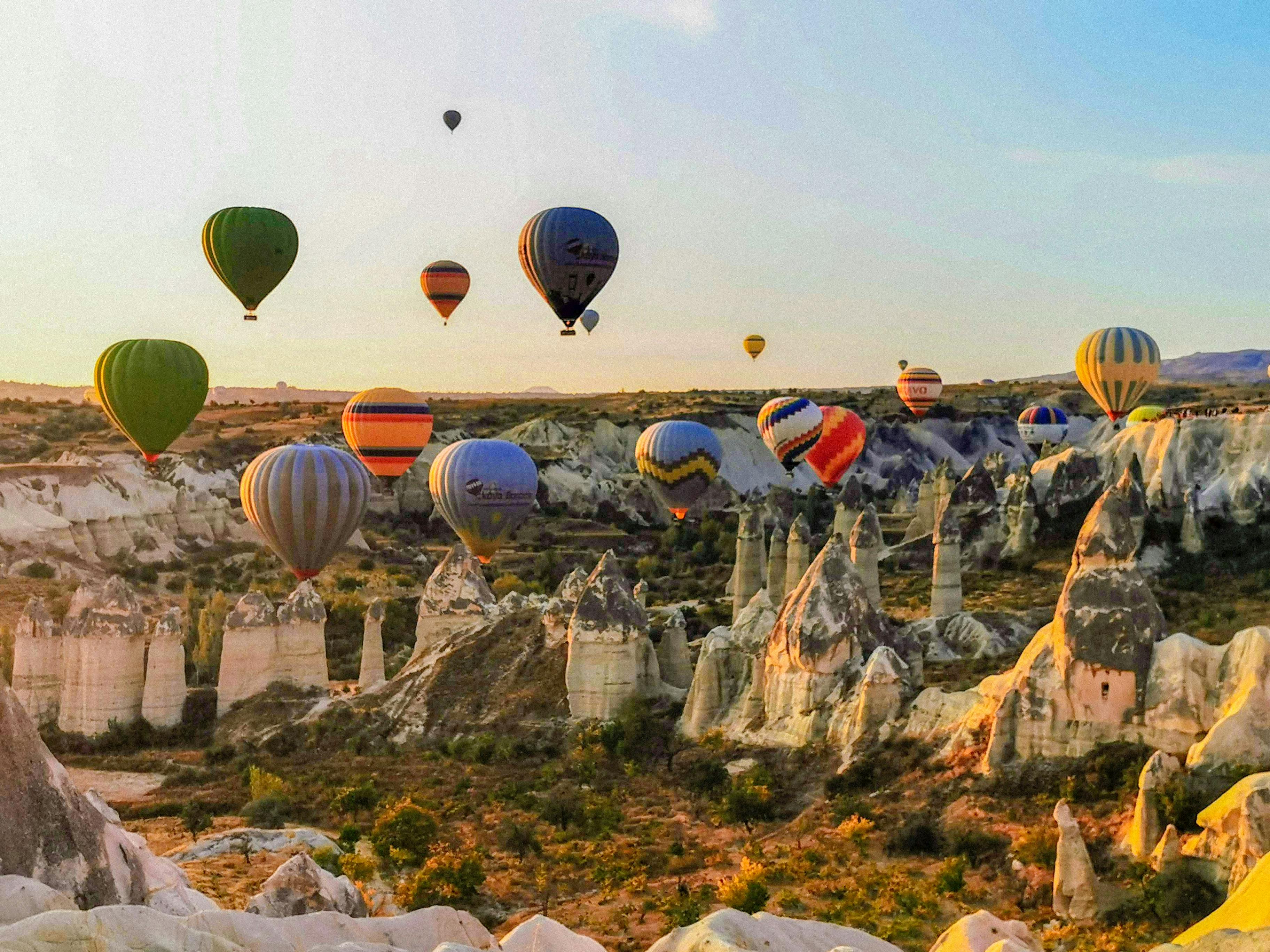
Ancient ruins beside modern cafés. Call to prayer echoing over busy streets. Hot air balloons floating above quiet valleys while the city slowly wakes for their day.
But what tends to get lost in highlight-driven itineraries is how layered Turkey really is, and how much richer it feels when you stop trying to see everything at once.
When you move through Turkey slowly, it becomes less about landmarks and more about rhythm. The country reveals itself not as a checklist, but as a living place shaped by centuries of movement, exchange, and everyday life.
This is the lens we’ve designed our Turkey trip around.
Turkey Isn’t One Experience, It’s a Collection of Worlds
One of the most compelling things about Turkey is how distinct each region feels, even within a single trip.
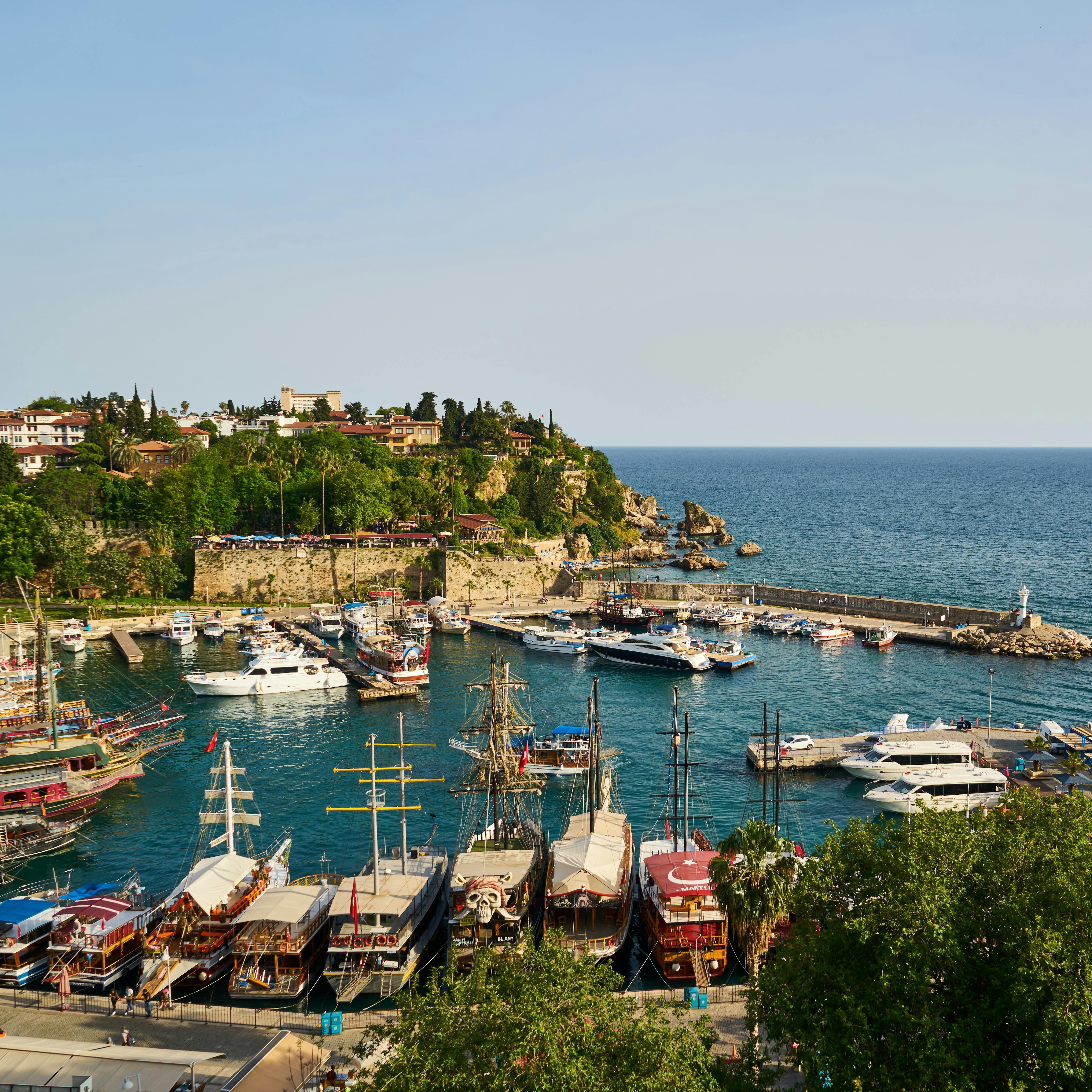
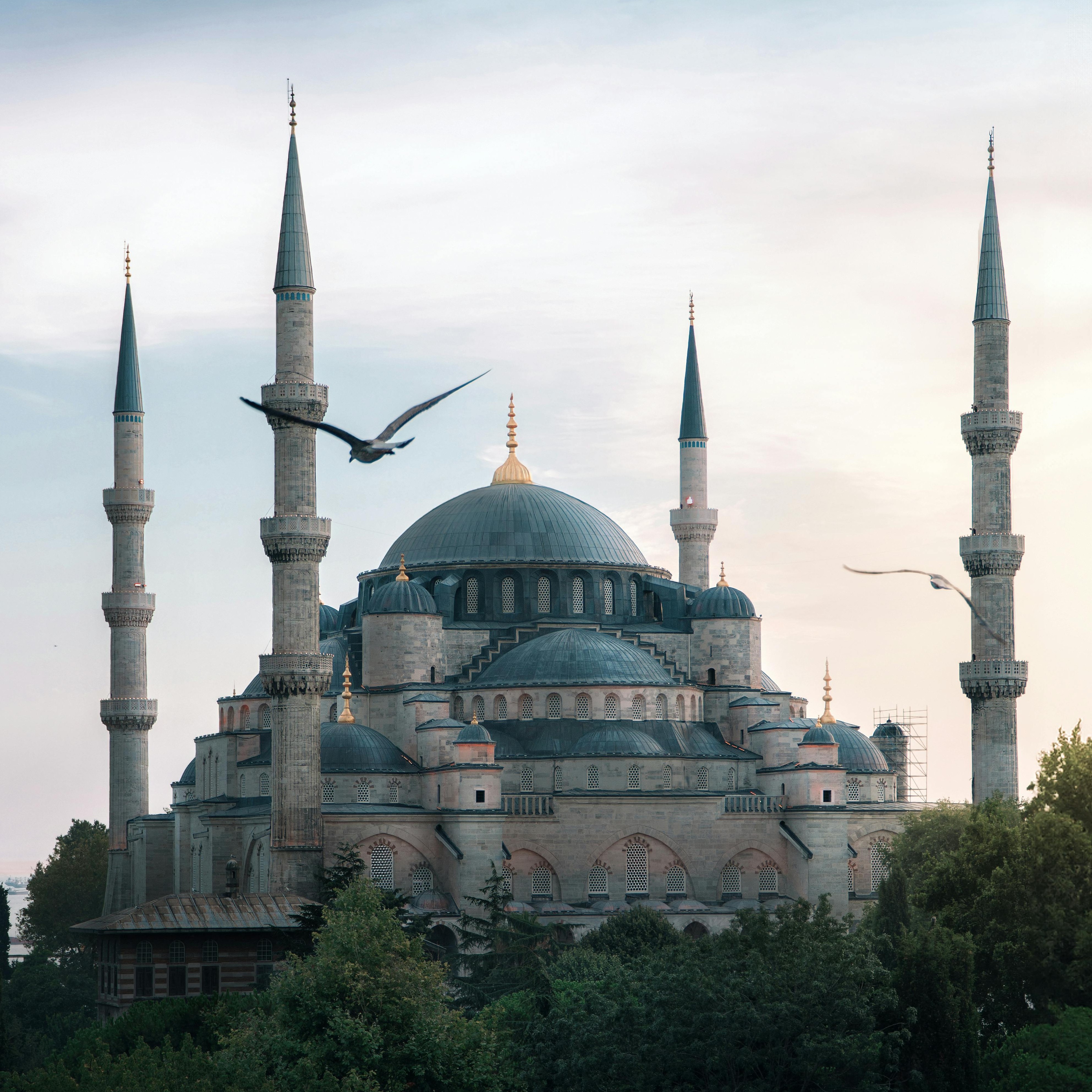
Istanbul alone can feel like several cities layered on top of one another. Coastal towns along the Mediterranean offer an entirely different pace – relaxed, easy-going and sun-kissed. Cappadocia, with its sculpted valleys and cave dwellings, feels like another planet.
Rushing between these places flattens the experience. Slowing down allows the contrasts to breathe.
This is why Turkey lends itself so naturally to small-group adventure travel. When you’re not bound to rigid timelines or large group logistics, you can experience the transitions between places, not just the destinations themselves (cue our hikes and road trips along the Turquoise coast).
If you’re unfamiliar with how this style of travel works more broadly, What to Expect on Your First Group Adventure Trip offers helpful context for why flexibility and pacing matter so much in countries like Turkey.
Culture Lives in the In-Between Moments
Turkey’s cultural richness isn’t confined to museums or monuments. It shows up in daily rituals: tea poured without being asked, shopkeepers inviting conversation, meals that unfold over hours rather than courses.
When travel moves too quickly, these moments become background noise. When it slows, they become the substance of the trip.
You notice how hospitality operates here, not as a performance for visitors, but as a deeply ingrained social practice. This kind of cultural immersion requires time.
For travelers wondering whether this style of experience works if you’re arriving solo, Is Group Travel Worth It If You’re Going Alone? explores how shared travel often deepens, rather than limits, cultural connection.
The Coast Isn’t a Break From the Trip – It’s Part of the Story
Turkey’s coastlines are often framed as a “relaxation add-on,” but that framing misses the point.
Coastal days serve as a counterbalance to the energy of cities and the visual intensity of places like Cappadocia. They offer space to process, rest, and settle into a different rhythm, one shaped by water, food, and sun.
This contrast is intentional. Alternating between stimulation and stillness creates a more sustainable pace, especially over multi-region trips.
It also changes how travelers show up. Conversations feel less rushed. Group dynamics soften. The experience becomes less about covering ground and more about inhabiting it.
Group size plays a major role here. Smaller groups allow for fluid days and fewer compromises, which we explore further in Who Small-Group Adventure Travel Is (And Isn’t) For.
Cappadocia: A Place That Demands Presence
Cappadocia is often photographed from above, balloons, valleys, rock formations, but it’s just as powerful at ground level.
Walking through the landscape, you start to understand how people adapted to it over centuries. Cave homes aren’t novelty accommodations; they’re responses to climate and terrain. Valleys aren’t backdrops; they’re pathways.
This is a place that rewards attention. Early mornings, quiet walks, and unstructured time allow the environment to do the talking.
Trying to “see Cappadocia” in a single rushed stop reduces it to scenery. Staying long enough to move through it slowly turns it into an experience.
Why Slower Travel Builds Trust (Without Needing Reassurance)
Traveling at a measured pace isn’t just about enjoyment, it’s also about awareness.
When trips are designed with space rather than pressure, there’s room for real-time decision-making, adjustment, and care. That’s especially important in destinations that operate differently from what travelers may be used to.
Rather than framing Turkey through fear or reassurance, we focus on thoughtful preparation and experienced leadership. We explain this philosophy more directly in Is Adventure Travel Safe? What We Actually Mean by “Supported”, which outlines how support systems function behind the scenes without removing the sense of adventure.
Who Thrives on This Kind of Turkey Experience
Travelers who tend to love Turkey through this slower lens are those who:
Enjoy depth over volume
Appreciate cultural nuance more than ticking boxes
Are open to shared experiences and evolving plans
Value contrast, movement balanced with stillness
For these travelers, Turkey often becomes one of those trips that you keep thinking about, not because of any single moment, but because of how the whole experience feels stitched together.
Designing Turkey With Intention
At Kook’s Wild Ride, our Turkey itinerary is built around flow rather than force. We pay close attention to transitions between regions, energy levels across days, and how different environments affect the group experience.
This approach allows travelers to stay present rather than depleted — curious rather than rushed.
If you’re interested in the thinking behind this structure, we explore it more directly in How We Design a Balanced Turkey Itinerary (And Why It Matters), where we pull back the curtain on the decisions that shape the trip.
Turkey, Seen Differently
When experienced slowly, across cities, coastlines, and valleys, Turkey reveals itself as layered, generous, and quietly transformative.
If you’re curious what that kind of journey looks like in practice, our upcoming Turkey adventure is designed to reflect this philosophy, offering a deeper way to experience a country that rewards presence over pace.

Let’s connect and travel
Immerse yourself in local culture, enjoy daring adventures, and form long-lasting friendships with fellow travelers from around the globe.
Quick Links
Sign up to get notified from Kook!
© 2026 Kook’s Wild Ride. All rights reserved.
Powered by Raging Agency