
Read the latest travel blogs
My stories as a world traveler.
What Surprises Independent Travelers Most About Small-Group Trips
If you’ve built your identity around traveling independently, the idea of joining a small-group trip probably feels complicated. You’re used to booking your own flights, navigating unfamiliar cities, and figuring things out in real time. You like autonomy and enjoy knowing that every decision, good or bad, was yours.
So when the thought of group travel comes up, there’s hesitation. Will it feel restrictive? Will it be too structured? Will you lose the freedom that makes travel meaningful in the first place?
What surprises many experienced solo travelers is not that group travel changes who they are. It’s that it changes what they have to carry.
One of the biggest surprises is that they don’t feel less independent. They feel lighter.
Independent travel comes with a quiet mental load that most seasoned travelers barely notice anymore. You are constantly planning the next move, checking the route, confirming transfers, reading reviews, scanning for cultural nuances, and building contingency plans in the background. Even when everything is going well, part of your brain is working.
That shift is often what people comment on first.
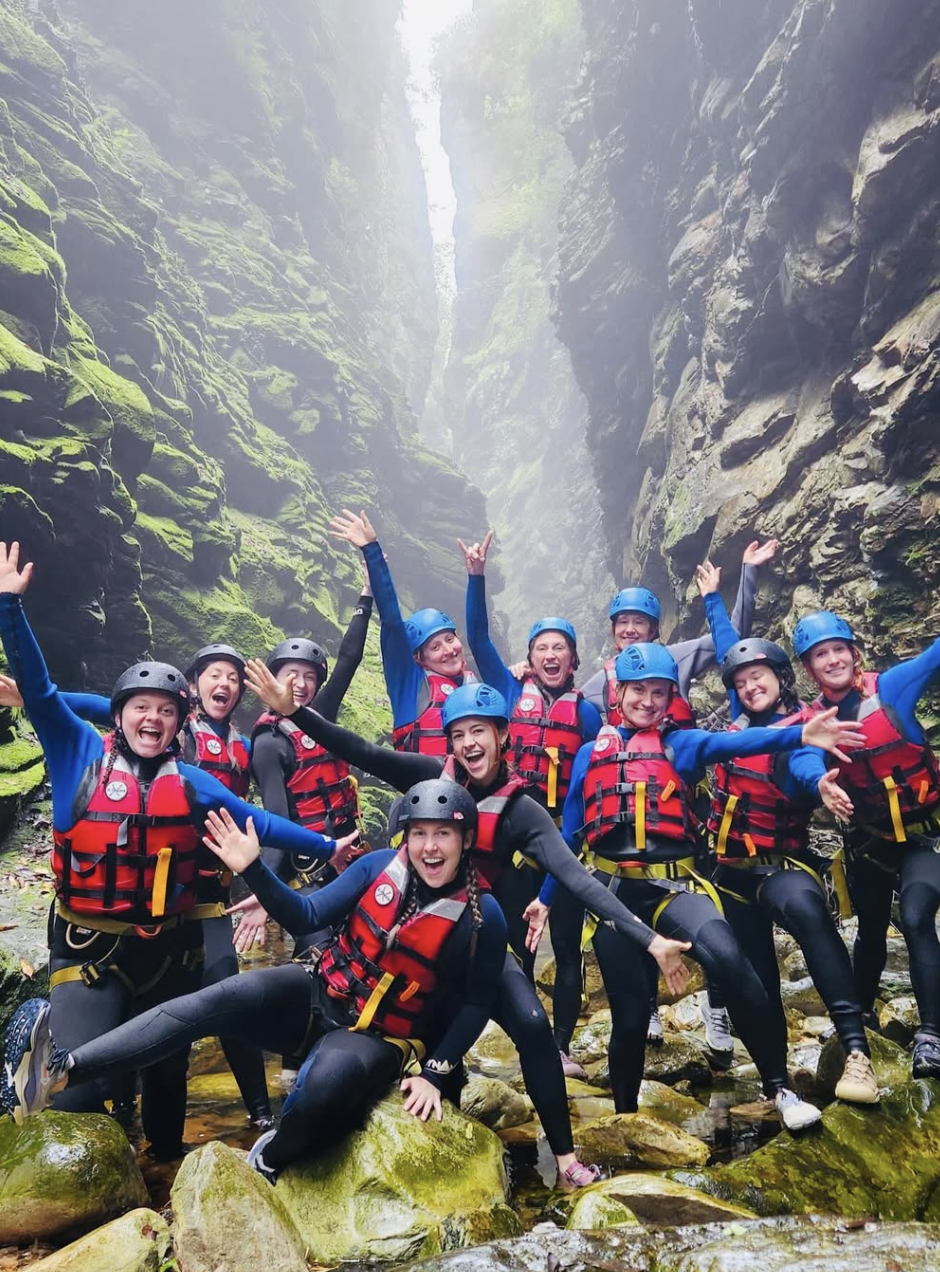
One traveler from our South Africa experience shared, “I really appreciate being a part of Kook’s Wild Ride group trip because I travel on my own quite frequently, and usually traveling to a new destination takes research and time while you are there to figure out the best places to go. With Kook’s group, no time was wasted, and I didn’t have to plan a thing. I truly wouldn’t change anything about this experience.”
That is the difference.
On a thoughtfully designed small-group adventure trip, the structure is handled. The pacing has been tested. The logistics are managed. Instead of calculating the next step, you are free to experience the one you are in. Autonomy does not disappear. It simply stops carrying the full weight of the plan.
We explore this more deeply in Is Group Travel Worth It If You’re Going Alone?, but the short version is this. Independence stays intact. The administrative burden fades.
Another surprise is how much more independent travelers actually see.
There’s an assumption that solo travel equals depth and group tours equal surface-level sightseeing. In reality, context and access often increase when you travel with experienced local guides and an intentional itinerary. In places like Peru, where trekking at altitude requires smart pacing, or Zimbabwe, where understanding wildlife patterns shapes what you encounter on safari, coordination directly enhances the experience. The same is true in Albania, where navigating remote villages and layered cultural history becomes smoother with trusted local insight.
If you’ve read A Different Side of Peru: Beyond Machu Picchu & the Postcard Itinerary or Turkey Through a Slower Lens: Culture, Coastlines & Cappadocia, you know we prioritize depth over highlights. That depth is often harder to access independently, not because you are incapable, but because logistics quietly compete with immersion.
Instead of spending time figuring out how to get somewhere, independent travelers find themselves fully present once they arrive. Conversations go further. Stories have context. The destination feels layered rather than fragmented.
The group dynamic itself is another unexpected shift. Many solo travelers imagine awkward icebreakers or constant forced interaction. What tends to happen instead is something far more natural. Small groups move differently. There is space to talk and space to be quiet. You can walk at your own pace and still feel connected.
This is part of what we unpack in Who Small-Group Adventure Travel Is (And Isn’t) For. The right group is not about identical personalities. It is about shared curiosity, openness, and a willingness to experience something fully.
There is also the quiet relief of not making every decision. Decision fatigue is real, especially for people who travel often. Where to eat. Which route to take. What time to leave. Whether to pivot the plan. On a small-group tour, those micro-decisions are simplified without eliminating flexibility. You are free to immerse yourself rather than manage.
That relief becomes especially clear in destinations that demand attention. Trekking in Nepal requires focus on terrain and altitude. Moving through India means absorbing culture, movement, and scale. Exploring Colombia or Zimbabwe means staying present to wildlife patterns and regional rhythms. In these environments, trusted leadership does not reduce independence. It protects it.

If you are curious what that looks like in practice, our trips to Portugal, Nepal, and Zimbabwe show how structure and spontaneity can coexist. The container is strong. What happens inside it feels alive.
None of this diminishes the value of solo travel. Independent trips build confidence and self-trust in powerful ways. But many experienced travelers reach a point where they want depth without carrying the entire framework. They want to stretch themselves physically or culturally without managing the infrastructure at the same time.
That is often when small-group adventure travel makes sense.
The biggest surprise is not that group travel is better. It is that it feels different than expected. Independent travelers do not lose their identity. They gain space. They gain perspective. They gain energy to focus on the reason they travel in the first place.
And that shift tends to stay with them long after they return home.

Let’s connect and travel
Immerse yourself in local culture, enjoy daring adventures, and form long-lasting friendships with fellow travelers from around the globe.
Quick Links
Sign up to get notified from Kook!
© 2026 Kook’s Wild Ride. All rights reserved.
Powered by Raging Agency