
Read the latest travel blogs
My stories as a world traveler.
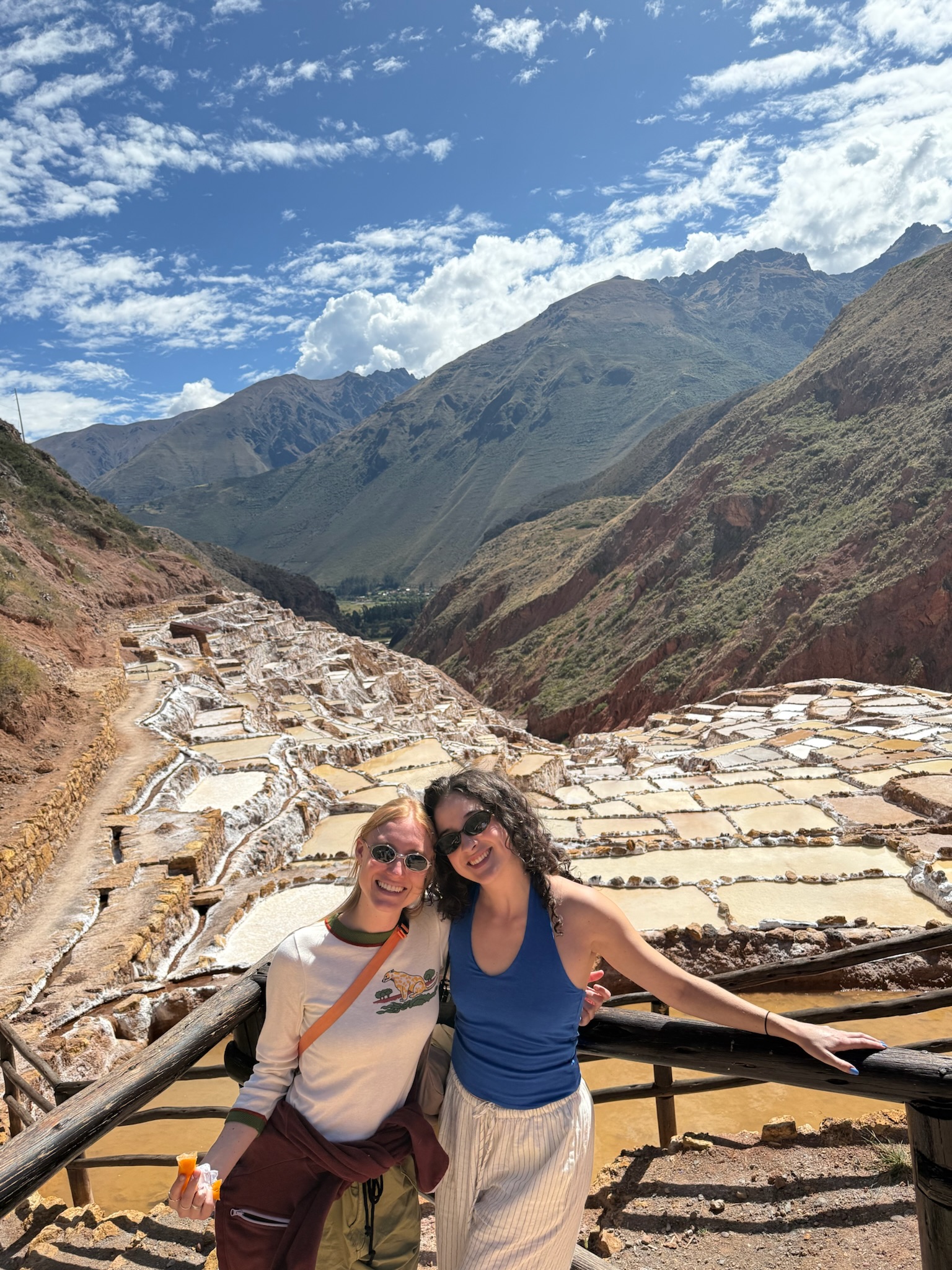
What Trekking in Peru Is Actually Like Day to Day
Trekking in Peru is often described in big, dramatic terms: altitude, mountains, endurance, challenge.
And while all of that is true, it doesn’t really capture what the experience feels like once you’re actually there.
What most travelers want to know isn’t just can I do this?
It’s: What will my days actually look like?
How early are the mornings?
How hard are the hikes?
What happens when you’re tired?
Here’s an honest look at what trekking in Peru is like day to day – beyond the highlights and the hype.
Mornings: Early, Calm, and Surprisingly Grounded
Trekking days in Peru start early, not rushed, but intentional.
You’ll wake up before the sunrise. There’s a quietness to mornings at altitude that feels different from waking up in a city. The air is cool. The pace is slow. Coffee tastes better than usual.
Mornings are usually about:
Packing up what you’ll need for the day
A simple but nourishing breakfast
Checking in with guides about weather and pacing
There’s no pressure to perform. No one’s racing ahead. The goal is to move steadily and sustainably.
If you’re new to this style of travel, this rhythm might feel unfamiliar at first. We talk more about how group dynamics shape days like this in What to Expect on Your First Group Adventure Trip, which gives helpful context before you arrive.
On the Trail: Steady Progress, Not Constant Intensity
One of the biggest misconceptions about trekking in Peru is that it’s nonstop exertion.
In reality, most days follow a pattern of movement followed by rest.
You’ll hike for a stretch, then pause to drink water, adjust layers, take in the view, or simply catch your breath. Guides are constantly reading the group: energy levels, altitude response, weather shifts.
The terrain changes throughout the day. Some sections feel meditative and rhythmic. Others are more demanding and require focus. You’re rarely pushed past your limits, instead, you’re encouraged to find your own pace within the group.
This is where trekking becomes less about fitness and more about presence.
If you’re wondering how prepared you need to be physically, this kind of pacing is why Peru works well for travelers who are active but not elite hikers. We explore that balance more in Who Small-Group Adventure Travel Is (And Isn’t) For.

Altitude: Something You Feel, Not Something to Fear
Altitude is real, and it affects everyone differently, but it’s rarely dramatic when trips are designed thoughtfully.
What altitude usually feels like day to day:
You may get winded more easily
Your appetite might fluctuate
Sleep can feel deeper or lighter than usual
This is why slower pacing and acclimatization days matter so much. Good itineraries don’t rush you upward, they allow your body time to adjust naturally.
Guides check in often. Rest is normalized. There’s no stigma around needing breaks.
Rather than framing altitude as something to be anxious about, we treat it as something to work with. This philosophy shows up across all of our trips and is part of what we mean by “supported” travel, which we explain more fully in Is Adventure Travel Safe? What We Actually Mean by “Supported”.
Midday: Refuel, Reset, Continue
Midday is usually when the group settles into a groove.
Lunch might be a packed meal on the trail or something warm prepared at a rest stop. This is often when conversations deepen, when people start opening up, laughing, or sitting quietly together without needing to fill the space.
This is also when you start to notice the landscape differently.
Details stand out: textures of the trail, how clouds move across peaks, how sound carries in open valleys. The effort of walking sharpens your awareness rather than dulling it.
These moments are often what travelers remember most, not because they’re dramatic, but because they’re deeply present.
Afternoons: Arrival Without Rush
Afternoons are about arrival, reaching camp, a village, or your accommodation for the night.
There’s a quiet satisfaction in ending the day on foot. Boots come off. Layers get shed. Bodies soften.
Depending on the day, afternoons might include:
Light stretching or recovery time
Journaling, reading, or resting
Exploring the immediate surroundings
There’s rarely pressure to “do more.” The day has already been full.
This slower afternoon rhythm is one reason Peru trekking pairs so well with small groups. Fewer people means more flexibility and less waiting, which we dive into more in Is Group Travel Worth It If You’re Going Alone? – especially for travelers joining solo.
Evenings: Simple, Shared, and Restorative
Evenings are often the most connective part of the day.
Dinner is warm, grounding, and communal. Stories get shared about the hike, about life back home, about what surprised people that day. There’s a sense of earned tiredness that makes conversation easy and sleep come naturally.
Evenings aren’t loud or late. They’re restorative.
This is also when guides preview the next day, what to expect, when you’ll wake up, how long the hike might be. Knowing what’s ahead helps travelers relax into rest rather than anticipating unknowns.
What Surprises Most People
When travelers reflect on trekking in Peru, a few themes come up again and again:
It’s more emotionally grounding than expected
The group dynamic becomes a source of strength, not pressure
The days feel full without feeling overwhelming
The challenge feels meaningful, not performative
This is why trekking in Peru often becomes a reference point, a trip people compare future travel to.
Who This Experience Is Best For
Trekking in Peru tends to resonate most with travelers who:
Enjoy physical activity with purpose
Appreciate structure balanced with flexibility
Are open to shared experiences
Value effort as part of connection
If that sounds like you, Peru doesn’t feel intimidating, it feels aligning.
And if you’re curious how this day-to-day rhythm fits into a larger journey, A Different Side of Peru: Beyond Machu Picchu & the Postcard Itinerary offers a broader look at how trekking weaves into the overall experience.
The Takeaway
Trekking in Peru isn’t about pushing through discomfort or conquering terrain.
It’s about moving intentionally through a place that rewards patience, awareness, and effort. Day by day, the rhythm becomes familiar. The uncertainty fades. And what’s left is a deep sense of presence, one step at a time.
If you’re considering joining us, our Peru adventure is designed around this exact cadence, offering challenge where it matters and support where it counts.

Let’s connect and travel
Immerse yourself in local culture, enjoy daring adventures, and form long-lasting friendships with fellow travelers from around the globe.
Quick Links
Sign up to get notified from Kook!
© 2026 Kook’s Wild Ride. All rights reserved.
Powered by Raging Agency